Dusney: A Handwritten Display Font for Small Business Branding
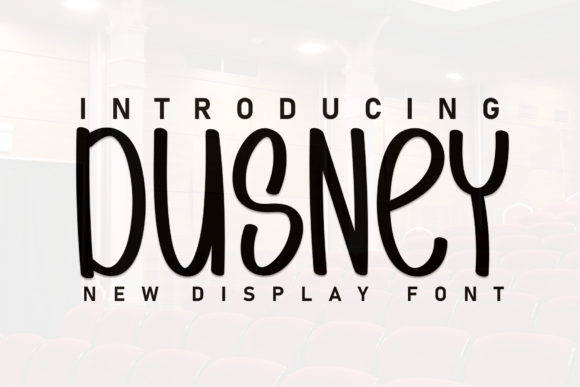
When you are building a brand from the ground up, every detail counts, and choosing the right Dusney display fonts can be the difference between looking like a hobby and sounding like a established business. As a small business owner, I know that our customers often judge the quality of our products before they even touch them, simply by looking at our packaging, social media posts, and website headers. This is where a typeface with personality becomes a critical asset rather than just a design choice. Dusney is a charming handwritten display font filled with a sense of heartfelt perfection, offering smooth strokes and organic lines that immediately evoke a relaxed yet professional atmosphere. For entrepreneurs selling handmade goods, running a boutique, or offering personal services, this specific style of typography helps bridge the gap between approachable friendliness and trustworthy expertise.
Using Dusney to Create Memorable Logos and Product Labels
Incorporating Dusney into your primary logo or product labeling strategy allows your brand to stand out in a crowded marketplace where generic sans serif fonts often blend together. Because this is a display font designed with organic lines, it works exceptionally well for businesses that want to emphasize the human touch behind their products. Imagine a small-batch candle company; using a stiff, corporate font on a soy wax label might feel disconnected from the natural, artisanal nature of the product. However, applying Dusney to that same label instantly communicates warmth and care. The smooth strokes suggest that the product was made with attention to detail, reinforcing the story of the maker. When potential customers scan a shelf or scroll through an online shop, the unique character of these fonts catches the eye, making your brand more recognizable and memorable. It transforms a simple sticker into a piece of brand identity that feels personal and inviting.
Elevating Packaging Design with Organic Handwritten Typography
Packaging is often the first physical interaction a customer has with your brand, and utilizing Dusney here can significantly enhance the unboxing experience. Whether you are shipping handmade jewelry, gourmet cookies, or skincare products, the text on your box, tissue paper, or thank-you cards sets the tone for the entire relationship. The relaxed atmosphere evoked by this typeface makes it perfect for lifestyle brands that want to feel accessible rather than intimidating. Unlike rigid geometric fonts, the organic flow of Dusney suggests flexibility and creativity, qualities that many modern consumers look for in independent businesses. By consistently using this font across your packaging materials, you create a cohesive visual language. Customers begin to associate those specific smooth strokes with your level of quality and service. It turns a standard cardboard box into a branded asset that people might even want to share on social media, effectively turning your packaging into free marketing for your business.
Boosting Social Media Engagement with Consistent Display Fonts
In the digital realm, consistency is key to building trust, and integrating Dusney into your social media graphics ensures your Instagram stories, Pinterest pins, and Facebook ads look professionally curated. Social media moves fast, and users make split-second decisions about whether to stop scrolling based on visual appeal. A handwritten display font like Dusney adds a layer of authenticity that stock photos and generic templates often lack. When you use it for quote graphics, promotional banners, or announcement posts, it maintains that heartfelt perfection that resonates with audiences seeking genuine connections. For example, a life coach or a yoga instructor can use this font to overlay text on images, creating a soft, encouraging vibe that aligns with their service offerings. The readability of Dusney remains strong even on mobile screens, provided it is used for headlines and short phrases rather than long blocks of text. This strategic use of typography helps your feed look organized and intentional, signaling to followers that you take your business seriously.
Designing Website Banners and Digital Ads That Convert
Your website is your 24/7 salesperson, and the typography you choose for headers and call-to-action buttons plays a massive role in conversion rates. Implementing Dusney as a headline font on your homepage or landing pages can guide visitors' eyes to the most important information while maintaining a friendly tone. Because it is a display font, it commands attention without being aggressive. Think about a café website featuring a daily special; using Dusney for the menu item names makes them feel crafted and delicious, whereas a standard font might make them feel industrial. When running digital ads, especially on platforms like Instagram or Pinterest where aesthetics drive clicks, this font helps your ad creative feel less like an advertisement and more like content worth engaging with. The organic lines soften the commercial edge, making the viewer more receptive to your message. However, it is crucial to pair it correctly; using Dusney for large headings alongside a clean, readable sans serif font for body text ensures that your site remains easy to navigate while still bursting with personality.
Practical Font Pairing and Licensing for Commercial Use
To get the most out of Dusney, understanding how to pair it with other typefaces and adhering to licensing rules is essential for long-term brand stability. While this handwritten font shines as a star player for logos and headlines, it should not be used for dense paragraphs or fine print on legal documents. Instead, pair it with a neutral sans serif font for body copy to create a balanced hierarchy that is both stylish and functional. This combination ensures that your marketing materials, from flyers to brochures, remain legible while retaining that unique charm. Furthermore, before you print a thousand labels or launch a new website, you must verify the commercial font licensing. Using a font for personal projects is different from using it on products you sell, such as merchandise, digital downloads, or client work. Ensuring you have the correct license protects your business from legal issues and supports the creators who design these valuable assets. By treating your typography choices with the same care as your product quality, you build a brand foundation that is both beautiful and secure.